Choosing a liquid lipstick manufacturer in 2026 requires more than comparing unit prices. It requires evidence.
Grand View Research valued the global lipstick market at approximately USD 11.5 billion in 2023. Its forecast also indicates continued growth through 2030. Meanwhile, Euromonitor International’s beauty analysis highlights premiumization, ingredient transparency, and long-wear performance as major consumer expectations. These trends make supplier selection more technical. A low quotation may hide weak stability testing, inconsistent pigments, or fragile packaging.
“Performance begins with a formula that remains stable,” says cosmetic chemist Kelly Dobos, a recognized formulation educator and industry consultant. Her point is simple. It is also easy to ignore.
A reliable Liquid Lipstick Manufacturing partner should demonstrate documented batch controls, validated filling procedures, and compatibility testing between formula and applicator. Ask for accelerated stability results. Request microbial testing records. Inspect whether the factory follows ISO 22716 cosmetic good manufacturing practices. A sample that feels smooth on day one proves very little.
Experience matters here. During product development, small details can become expensive problems: a doe-foot applicator that scrapes the bottle, a matte formula that crumbles after six hours, or a cap that loosens during shipping. I would also examine color consistency across at least three production batches. One perfect sample is not enough.
The decision still involves judgment. Reports show market direction, not factory honesty. Audits reveal systems, not every human mistake. Choose the manufacturer that can explain both strengths and limitations clearly. That transparency may be less impressive than glossy promises, but it is usually more valuable.
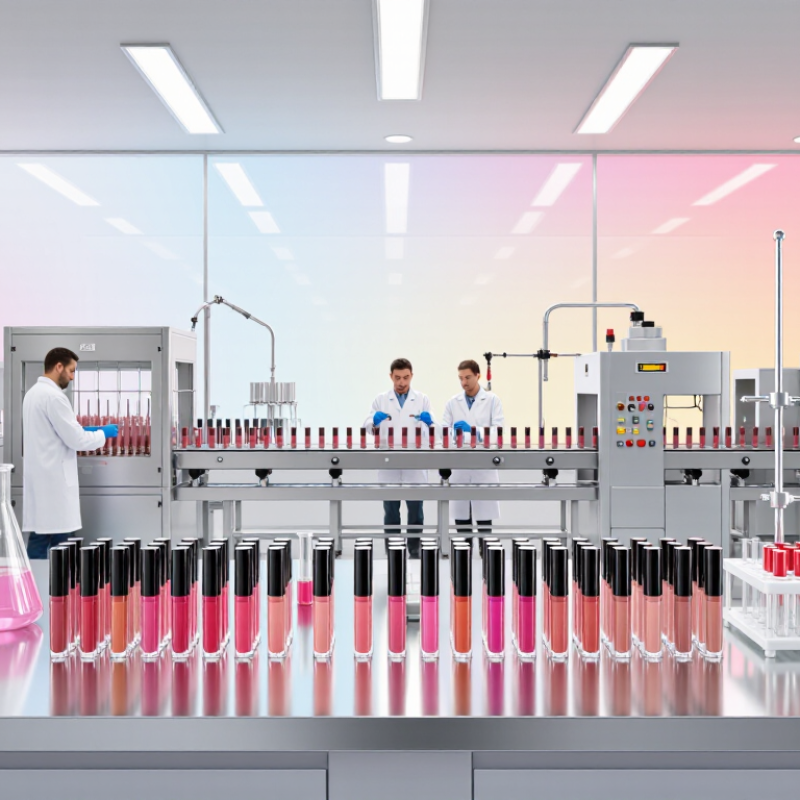
A reliable liquid lipstick manufacturer in 2026 should offer more than attractive packaging and competitive prices. Their reliability appears in daily production details, from controlled mixing tanks to sealed sample jars. Ask how they prevent pigment settling, uneven coverage, and excessive drying during storage.
Experienced manufacturers should provide clear formula records, ingredient specifications, stability data, and batch testing results. They should also explain their quality system without hiding behind vague claims. Look for documented checks on color accuracy, texture, odor, microbial safety, and container compatibility. A retained sample from every batch can support traceability when a concern appears months later. It matters.
Strong technical knowledge also shows in product development. The manufacturer should test the lipstick under different temperatures and humidity levels. They should understand how oils, film-formers, pigments, and applicators affect wear and comfort. Small pilot batches are useful because laboratory results may not match filling-line performance. A shade can look perfect in a beaker, then change slightly after filling.
No factory performs perfectly. A dependable partner admits weaknesses and explains corrective actions. This is more convincing than promising zero defects. Request production timelines, audit information, approval procedures, and communication records before signing a contract. Their answers should be specific, consistent, and supported by evidence. For international sales, confirm that documentation supports the regulations of each intended market. Vague compliance language deserves a second look.
Request batch records, pigment traceability, microbiological tests, viscosity checks, and stability results. Small gaps matter. Review cleaning logs and equipment calibration records before approving production.
No. A certificate covers a defined facility and scope. Check its issuer, expiry date, audited address, and included activities. Compare batch-specific evidence with your exact formula.
Request safety assessments, certificates of analysis, preservative challenge results, and complete ingredient records. Market requirements differ. For each destination, verify responsible parties, product files, registration duties, labels, and adverse-event procedures.
Start with a pilot batch using the final formula and container. Keep retained samples from production. Independent laboratory testing can reveal contamination, unstable color, or changing texture. Do not rely only on samples.
Ask for a line-by-line quotation covering formula work, pigment testing, packaging, filling, inspection, freight, and revisions. Compare total delivered cost. A low unit price can hide expensive extras.
Confirm whether the minimum applies to the full order or every shade. Ask who pays for unused tubes, caps, labels, and pigments. A five-thousand-unit quote may not apply equally to each color.
Request written milestones for formula approval, component sourcing, manufacturing, inspection, and dispatch. Add about two weeks for revisions or shipping delays. Dates without milestones are weak evidence.
Ask for a named contact and a clear escalation route. Discuss leaking tubes, color drift, rejected units, and delayed components. Review response speed for several weeks. Support is measurable. I still leave room for doubt.
Choosing the right liquid lipstick manufacturer in 2026 requires more than comparing product prices. A reliable partner should offer safe, stable, and high-performing formulas supported by carefully selected ingredients, thorough testing, and transparent documentation. Their expertise in Liquid Lipstick Manufacturing should include flexible color development, finish options, packaging support, and the ability to adapt products to specific market needs while maintaining consistent quality.
Before making a decision, review the manufacturer’s production capacity, quality control procedures, certifications, and regulatory compliance systems. It is also important to evaluate minimum order quantities, pricing structure, sampling processes, lead times, communication, and after-sales support. A trustworthy manufacturer will explain each stage clearly, identify potential challenges early, and provide dependable service from initial concept to final delivery. By assessing these factors together, businesses can build a stable partnership and develop liquid lipstick products that meet safety, performance, and commercial expectations.