Choosing a lip product for one country is difficult. Choosing one for global markets is harder.
The beauty industry continues to expand, but consumer preferences are becoming more regional. McKinsey & Company and The Business of Fashion projected the global beauty market could approach $580 billion by 2027. Circana reported that U.S. prestige makeup sales increased by about 15% in 2023. Lip products contributed to this momentum through tinted balms, long-wear color, and hybrid skincare claims. These figures are useful, but they do not guarantee success everywhere.
Formulators must connect market evidence with practical product experience. A glossy balm may perform well in humid Southeast Asia, yet feel unstable in a hot delivery truck. A matte lipstick may satisfy North American consumers, but emphasize dryness in colder climates. Shade range, pigment stability, fragrance tolerance, packaging, and application habits all require regional review. Lip Cosmetics Formulation should therefore begin with a clear market brief, not a universal formula.
Compliance also shapes the technical decision. Requirements may differ under the European Union Cosmetics Regulation, the United States MoCRA framework, and the ASEAN Cosmetic Directive. Ingredient restrictions, safety documentation, claims support, and responsible-person obligations must be checked before commercialization. That step is not glamorous. It prevents expensive reformulation.
Data can mislead.
Sales reports often combine categories, channels, and consumer groups. Brands should validate published trends through local testing, retailer feedback, stability studies, and transparent safety assessments. The best global formula may not be the most dramatic one. It may be the formula that remains comfortable, consistent, compliant, and credible from the first swipe to the final shipment.
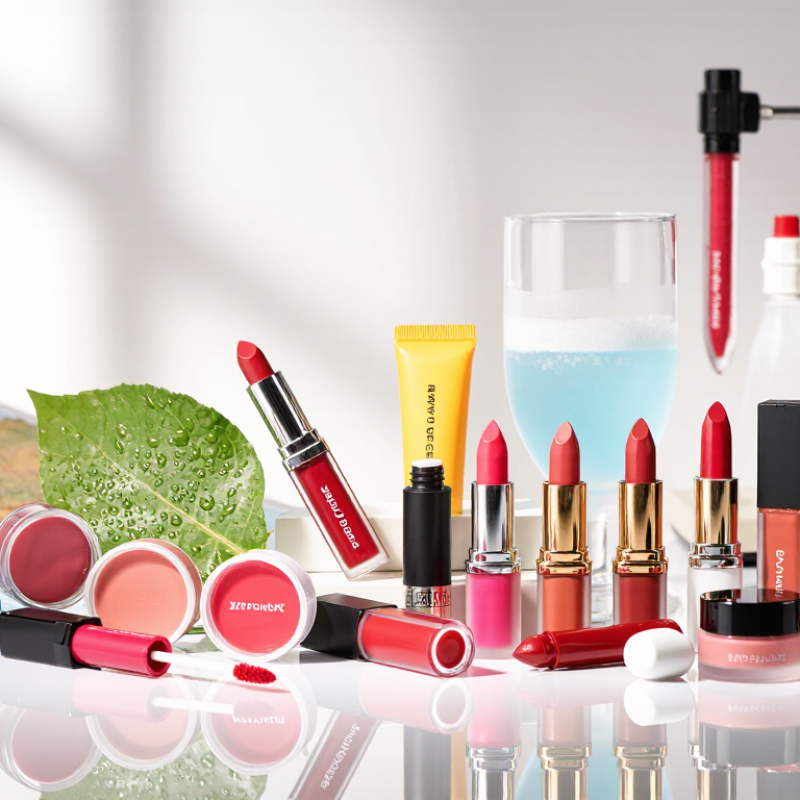
Choosing a lip format starts with consumer habits, climate, and application expectations. Grand View Research estimated the global lip care market at about USD 4.5 billion in 2023, with continued growth through 2030. This signals demand for treatment-led products, not color alone. Balms suit dry, cold, or low-humidity markets. Sticks offer portability and precise application. Glosses create instant shine, but heat can increase dripping and separation risks.
Tints work well for consumers seeking lightweight color and longer wear. Their water-based systems may require careful preservation and packaging compatibility. Traditional lip colors provide stronger payoff, yet wax balance affects drag, breakage, and melting. Mintel’s 2024 beauty research highlights growing interest in convenient, multifunctional products, so a tinted balm may outperform a classic lipstick in some regions. It should not be treated as a universal answer.
Formulators should test each format at realistic temperatures, including a handbag at 35°C and a bathroom shelf exposed to humidity. ISO 22716 principles can support consistent cosmetic manufacturing and quality control. Texture panels should measure payoff, comfort, shine, and removal—not only stability. I have found that a visually elegant gloss can feel sticky after ten minutes. That weakness matters. Regional trials may reveal better choices than global assumptions.
| Product Format | Typical Formulation Architecture | Texture and Application | Color Payoff | Wear and Transfer | Climate and Market Suitability | Packaging and Manufacturing Considerations | Key Formulation and Compliance Points |
|---|---|---|---|---|---|---|---|
| Balms | Usually anhydrous systems based on oils, butters, waxes and emollient esters. Water-based balm emulsions are also possible. | Soft, conditioning and easy to glide. Can range from lightweight protective films to rich, occlusive textures. | Sheer to translucent; often used for natural-looking color, shine or color-enhancing effects. | Low to moderate wear. Generally transfers more than long-wear lip colors because of the higher emollient content. | Suitable for dry or cold conditions. In hot and humid markets, heat-resistant structuring and reduced migration may be required. | Commonly filled into sticks, pots or squeeze tubes. Stick hardness, sweating, shrinkage and compatibility with the package should be tested. | Control oxidation with suitable antioxidants and packaging. Evaluate preservative needs when water is present. Confirm colorant and ingredient compliance in each target market. |
| Sticks | Anhydrous wax-and-oil matrix, typically structured with combinations of natural, synthetic or mineral waxes and solid emollients. | Controlled glide with a solid format. The balance between hardness, payoff and break resistance is critical. | Sheer, medium or buildable, depending on pigment load, pigment dispersion and the oil-to-wax ratio. | Moderate wear is typical. Higher wax and film-former levels can improve resistance but may reduce glide. | Works across most climates when the softening point and mechanical strength are adapted to transport and storage conditions. | Requires controlled heating, pigment dispersion and cooling. Twist-up mechanisms need compatibility, torque, breakage and leakage testing. | Assess heat stability, sweating, syneresis, fracture resistance and microbial risk. Use only permitted color additives for the intended area of application. |
| Glosses | Mostly anhydrous liquid or semi-solid systems using high-viscosity oils, esters, gelled oils, film formers and optional suspended pigments or pearls. | Wet, smooth and reflective. Viscosity can be adjusted from lightweight and non-sticky to dense and cushiony. | Transparent to medium coverage; shimmer, pearl and optical-plumping effects are common positioning options. | Typically lower wear and higher transfer than matte formats. Film-forming ingredients can improve adhesion and reduce migration. | Popular in warm markets for shine and comfort, but low-viscosity products may migrate more easily in heat. Cold conditions can increase viscosity. | Usually packaged in tubes with doe-foot applicators, squeeze tubes or click pens. Wiper design, leakage, stringiness and applicator pickup require testing. | Check pigment suspension, settling, odor stability and package compatibility. Avoid ingredients that may create unacceptable irritation or sensitization risks. |
| Tints | Can be water-based, hydroalcoholic, emulsion-based or anhydrous. Color is commonly delivered through soluble dyes, pigments or hybrid color systems. | Lightweight and fast-setting, with a stain-like feel. Some formulas may feel drying unless humectants and emollients are balanced carefully. | Sheer to medium, usually buildable. The final color can vary with lip condition, application thickness and individual lip tone. | Often provides better color persistence than balms or glosses, although shine and emollient comfort may fade first. | Suitable for lightweight, humid-climate and transfer-conscious concepts. Fast drying may require adjustment for dry climates and sensitive lips. | Common formats include doe-foot tubes, pens and dropper-style packages. Prevent drying, evaporation, leakage and staining of components. | Water-containing formulas need an effective preservation system and microbiological testing. Verify dye permissions, staining behavior, pH tolerance and mucosal-use requirements. |
| Lip Colors | Broad category including cream, satin, matte and liquid color systems. May be anhydrous or emulsion-based, with pigments, fillers, oils, waxes and film formers. | Ranges from creamy and emollient to powdery, matte and quick-setting. Application precision depends on viscosity and applicator design. | Medium to full coverage is achievable through higher pigment concentration and efficient pigment wetting and dispersion. | Moderate to high wear is possible. Long-wear performance generally requires a suitable film-forming system and careful balance with comfort. | Flexible for global positioning, but matte products may need added comfort for dry climates while creamy products need migration control in heat. | Available in traditional bullets, slim sticks, liquid tubes and compact formats. Filling temperature, settling, drying, breakage and package compatibility must be validated. | Validate pigment dispersion, color uniformity, transfer, wear, odor, stability and microbial quality. Claims such as “long-lasting” or “transfer-resistant” require substantiation. |
Planning note: The performance ranges above are formulation-development guidelines rather than fixed specifications. Final selection should be confirmed through stability, compatibility, safety, consumer-use and regulatory testing for each target market.
A berry shade may use different permitted ingredients across countries. Review the exact colorant before approving the shade name.
Check whether each colorant appears under 21 CFR Part 73 or Part 74. Confirm permitted use, concentration, identity, and specifications.
Keep identity, lot details, purity data, heavy-metal results, and certification status beside the formula record. Keep them together.
No. Review lakes, blends, carriers, and processing aids in the final formula. The pigment may qualify while its carrier remains unreviewed.
Requirements may differ in names, limits, and certification pathways. Build a country matrix before approving packaging artwork.
Anhydrous balms with waxes and oils usually contain less available water. Water-based gels and emulsions need carefully selected preservation systems.
No. A used finger, humid bathroom, or damaged package can introduce microorganisms. Packaging and daily use still matter.
Test representative batches for total aerobic mesophilic microorganisms and specified pathogens. Use suitable, validated methods.
No. One passing result is not permanent proof. Formulas, suppliers, and consumer habits can change. The checklist can fail.
Choosing the right Lip Cosmetics Formulation for global markets requires a structured approach from concept to compliance. Start by defining the product format—balm, stick, gloss, tint, or traditional lip color—because each format has different requirements for texture, application, packaging compatibility, and consumer use. Next, review every ingredient against the applicable requirements of EU Regulation 1223/2009, U.S. FDA regulations, and China’s Cosmetic Supervision and Administration Regulation (CSAR). Colorants should also be verified under 21 CFR Parts 73 and 74 before international commercialization, while formulation records and safety documentation should be prepared for each target market.
Quality validation is equally important. Microbial testing should follow the principles of ISO 17516:2014, with appropriate limits established for the product type. Stability should be evaluated within an ISO 22716-aligned GMP system and include three stress-test conditions, such as elevated temperature, freeze-thaw cycling, and light exposure. These steps help confirm product safety, consistency, packaging performance, and suitability for diverse global distribution environments.