Choosing among the Top 10 Eye Cosmetics Manufacturers for Global Buyers requires more than comparing product catalogs. Mascara, eyeliner, and eyeshadow demand different textures, applicators, packaging, and production controls. A smooth black swatch is not proof of consistent manufacturing. Buyers should examine formulation expertise, batch consistency, testing practices, customization, and communication.
The market is substantial, but figures vary by research method. Grand View Research estimated the global eye makeup market at USD 18.45 billion in 2023 and projected a 6.3% compound annual growth rate from 2024 to 2030. This is a market estimate, not a guarantee of supplier performance. Cosmetic chemist Perry Romanowski, known for his educational work on cosmetic science, offers a useful sourcing principle—paraphrased here, not a verbatim quotation: “A promising formula still needs reliable testing and repeatable production.” That distinction matters when a sample performs well but later batches do not.
This guide approaches Eye Cosmetics Manufacturing from a buyer’s perspective. It considers manufacturing capabilities, quality systems, product range, and practical support—not glossy claims alone. Ask what testing supports a product’s stated shelf life. Request clear specifications and representative samples. Check whether the manufacturer can explain how it manages shade matching and batch variation. Small details count. A leaking mascara tube can undo a carefully developed formula. No ranking replaces direct supplier checks, and available public information may be incomplete. Treat this list as a starting point, then verify each manufacturer against your product brief, order size, and documentation needs.
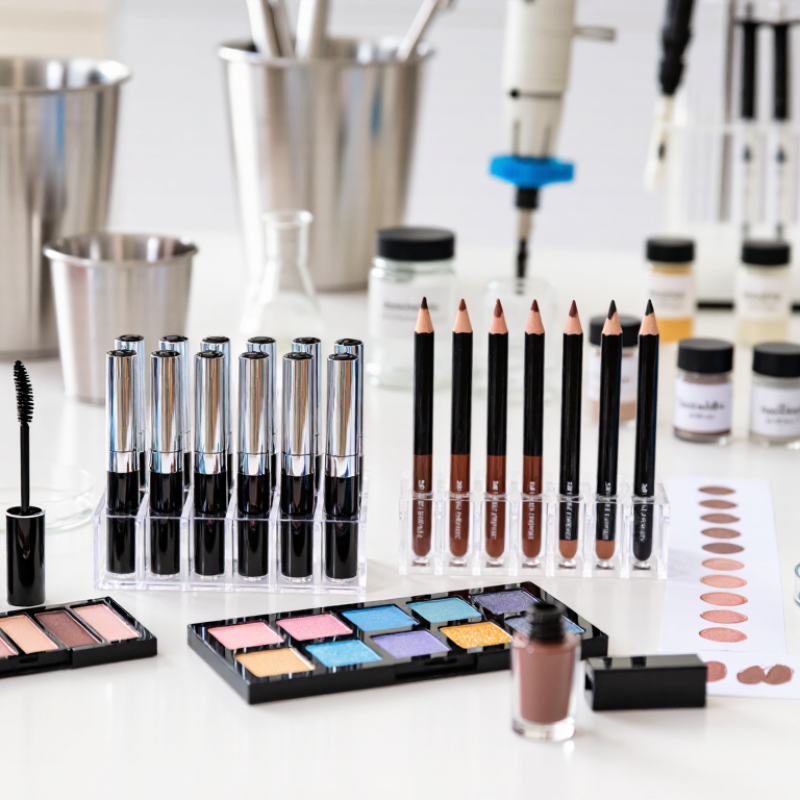
Understanding the Global Eye Cosmetics Manufacturing Landscape
The global eye cosmetics manufacturing landscape is broader than a list of suppliers. It includes contract manufacturers, formulation specialists, and packaging partners serving different buyer needs. Some facilities develop products from an initial brief; others focus on filling, assembly, or established formulas. Capabilities vary. Buyers should check whether a supplier can handle the intended product type, production volume, and packaging format.
Eye-area products call for careful process control. A factory visit or detailed audit can reveal how ingredients are received, batches are recorded, and filling equipment is cleaned. Ask how the manufacturer evaluates formula stability, packaging compatibility, and microbial quality. Inspect practical details, too: a mascara wand should fit its tube, and a cap should close securely. These checks do not replace independent review, but they help buyers ask better questions.
Requirements differ across destination markets, so buyers should confirm which documentation and testing apply before production begins. Review sample records, change-control procedures, and traceability practices rather than relying on polished presentations alone. Still, paperwork can look complete while a process has weak spots. That deserves a closer look. A small pilot run may expose issues with texture, dispensing, or packaging before a larger order is committed. Even then, no single checklist can predict every production problem.
Defining the Main Categories of Eye Cosmetics
Eye cosmetics generally fall into four main categories: products for lids, lash lines, lashes, and brows. Eyeshadows add color or dimension, and come as powders, creams, sticks, or liquids. Eyeliners define the lash line with pencils, gels, liquids, or felt-tip applicators. Mascara coats lashes to add visible color, length, or volume. Brow products include pencils, powders, gels, and waxes for filling or shaping. The boundaries are not always neat. Some products serve more than one purpose.
For global buyers, category labels are only a starting point. Compare texture, applicator design, shade range, packaging, and intended use. A soft pencil may suit quick application, while a fine liquid tip supports sharper lines. Mascara brushes also vary; a dense brush and a narrow brush can create noticeably different effects. Ask suppliers for ingredient details, stability information, and product samples. Test shades under consistent lighting. Small differences matter.
Tips: Match the format to the user and market. Check that packaging protects the formula during storage and shipping. Review claims carefully, and confirm that product documentation fits your destination market. Samples can reveal practical issues that a catalog misses. They do not answer everything.
Criteria for Evaluating Manufacturers for International Buyers
Selecting an eye-cosmetics manufacturer for export requires more than comparing unit prices. McKinsey’s 2023 State of Beauty report estimated the global beauty market at about $430 billion in 2022 and projected $580 billion by 2027. Growth makes weak forecasting costly. Ask for batch traceability, stability-testing protocols, and documented change control. Request sample-retention records and a recent mock-recall timeline. Can the factory identify the pigment lot used in a specific production run within hours? Ask for evidence, not reassurance.
Quality systems deserve equal scrutiny. ISO 22716 provides guidance on good manufacturing practices for cosmetics, but a certificate alone cannot show how a site handles your formula, packaging, or subcontractors. Review audit findings, corrective-action records, and controls for contamination and shade variation. Cosmetics Europe reported a €96 billion European cosmetics and personal-care market in 2023. That is not an eye-makeup figure, but it signals the scale of the wider market. Test communication too. Send revised artwork and see whether the supplier flags mismatched shade codes or carton details. Small misses happen. No scorecard is perfect; judge how openly problems are corrected.
Profiles of Ten Leading Eye Cosmetics Manufacturers
Profiles of ten leading eye cosmetics manufacturers are most useful when they show how production strengths differ. A full-service partner may handle formula development, filling, and packaging under one roof. A color-cosmetics specialist may offer a broad range of shades and finishes. Other manufacturers focus on mascara, liquid eyeliner, pencil products, or eyeshadow palettes. Some bring experience with sensitive-eye testing, while others excel at packaging coordination. There are also flexible suppliers for smaller launches and large-scale plants built for steady, high-volume orders. One profile might stand out for traceable sourcing or clearer process documentation. These are practical differences, not proof that one supplier suits every buyer.
Look beyond polished product photos. Ask how batches are checked for shade consistency, how samples are approved, and what happens when packaging arrives late. Request clear information about testing, production capacity, and quality controls. A capable manufacturer should answer in specific terms, not just promise “premium quality.” Still, public profiles rarely reveal every weakness. A supplier may offer excellent formulation support but have fewer packaging options. That deserves a closer look. The “top ten” is a starting point, not a final verdict.
Tips: Compare the same mascara or eyeliner brief across suppliers. Check sample texture, wear, applicator control, and written specifications before committing to production.
Comparing Manufacturing Capabilities and Global Sourcing Options
Global buyers comparing eye-cosmetics manufacturers should look beyond quoted unit prices. Mascara, pencils, pressed shadows, and liquid liners each test different production controls. Mascara needs consistent filling and wiper fit; powders need reliable shade matching and resistance to breakage. Small details matter.
Grand View Research estimated the global eye makeup market at USD 16.2 billion in 2022, forecasting a 5.4% compound annual growth rate from 2023 to 2030. This is a forecast, not a purchase guarantee. Still, it makes scalable production worth checking. Ask suppliers for capacity by product type, lead times, minimum order quantities, and documented batch-release checks. A factory’s headline output alone is not enough.
Global sourcing choices also involve quality oversight and supply resilience. McKinsey’s 2023 beauty-market analysis projected roughly 6% annual growth through 2027, increasing pressure on manufacturers to handle changing demand. Compare audit practices, shade-control methods, packaging compatibility tests, and traceability records. Request samples from separate production batches, not only a presentation sample. I would treat a polished audit score cautiously; one visit cannot reveal every seasonal bottleneck. A useful shortlist balances technical capability with clear communication and realistic delivery commitments.
Global Eye Cosmetics Sourcing: EU Market-Entry Checks
A practical compliance baseline for buyers sourcing eye cosmetics for sale in the European Union.
Each bar represents one obligation under EU Cosmetics Regulation (EC) No 1223/2009: an EU Responsible Person, a Cosmetic Product Safety Report, a Product Information File, good manufacturing practice, and pre-market notification through the CPNP. These are regulatory checks—not manufacturer ratings. Buyers should verify how each prospective supplier supports compliance for the specific product and target market.
Source: Regulation (EC) No 1223/2009 on cosmetic products.
FAQS
Check batch traceability, stability-testing protocols, and documented change control. Ask how quickly a factory can identify a pigment lot. Price matters. Not enough.
Review audit findings, corrective actions, and controls for contamination or shade variation. A certificate alone cannot show how a site handles your formula or subcontractors.
Request sample-retention records, batch documentation, and a recent mock-recall timeline. Ask for proof, not reassurance.
Match each supplier to the product brief. One may handle formula, filling, and packaging; another may focus on mascara or pencils. More options aren’t always better.
Compare the same mascara or eyeliner brief across suppliers. Check texture, wear, and applicator control. Read the written specifications, too.
Send revised artwork and check whether the supplier spots mismatched shade codes or carton details. Small errors happen. Notice how they’re corrected.
Ask how late packaging affects production schedules and what alternatives are available. A strong formula cannot fix every delay.
No. Public profiles leave gaps. A supplier may offer helpful formulation support but fewer packaging choices. I’d look closer before deciding.
Conclusion
This guide explores the global Eye Cosmetics Manufacturing landscape and the product categories that shape it, including mascaras, eyeliners, eyeshadows, brow products, and related formulations. It explains how international buyers can assess potential manufacturing partners by considering product development expertise, quality systems, production capacity, packaging options, communication, and experience supporting export-oriented projects.
The article also outlines profiles of ten leading manufacturers and compares their capabilities to help buyers understand differences in scale, specialization, and sourcing flexibility. By weighing these factors against product requirements, target markets, timelines, and budget, businesses can build a clearer shortlist and make more informed sourcing decisions. The focus is on practical evaluation and manufacturing fit, rather than choosing a supplier based on name recognition alone.