Expert perspectives, trend analysis, and breakthrough formulation knowledge from industry leaders.
Discover how custom formulation techniques and clean beauty trends are shaping global brands.
Stay informed with regulatory updates, supply chain strategies, and private label guidance.
China Top Turnkey Cosmetic Manufacturing Suppliers? This question sounds simple, but the answer requires more than comparing factory websites. Turnkey Cosmetic Manufacturing covers formulation, testing, packaging, production, documentation, and delivery. Each stage can affect product safety, cost, and launch timing.
Perry Romanowski, a cosmetic chemist and educator, describes the discipline clearly: “Cosmetic formulation is part science and part art.” That balance matters when developing a facial serum, shampoo, or cream. A capable supplier should show controlled laboratory procedures, trained staff, product stability data, and transparent ingredient records. Look for ISO 22716 or equivalent good manufacturing practices. Request batch samples, certificates of analysis, microbiological results, and clear explanations of minimum order quantities.
Factory visits can reveal details that polished presentations hide. Check weighing rooms, filling lines, warehouse conditions, and label-control systems. Ask who owns the formula. Confirm whether the supplier supports safety assessments, INCI labeling, claims review, and market-specific compliance. China offers strong manufacturing capacity, but quality varies between factories. A low quote may exclude testing, packaging molds, revisions, or shipping preparation.
There is also an uncomfortable reality. A supplier may promise everything and still miss a launch date. Communication can fail across time zones, languages, and approval systems. Therefore, written milestones matter. Independent audits help, too. The best partner is not always the cheapest one. It is the supplier that can prove consistency, explain limitations, and correct mistakes before consumers notice them. This guide examines leading Chinese suppliers through that practical lens.
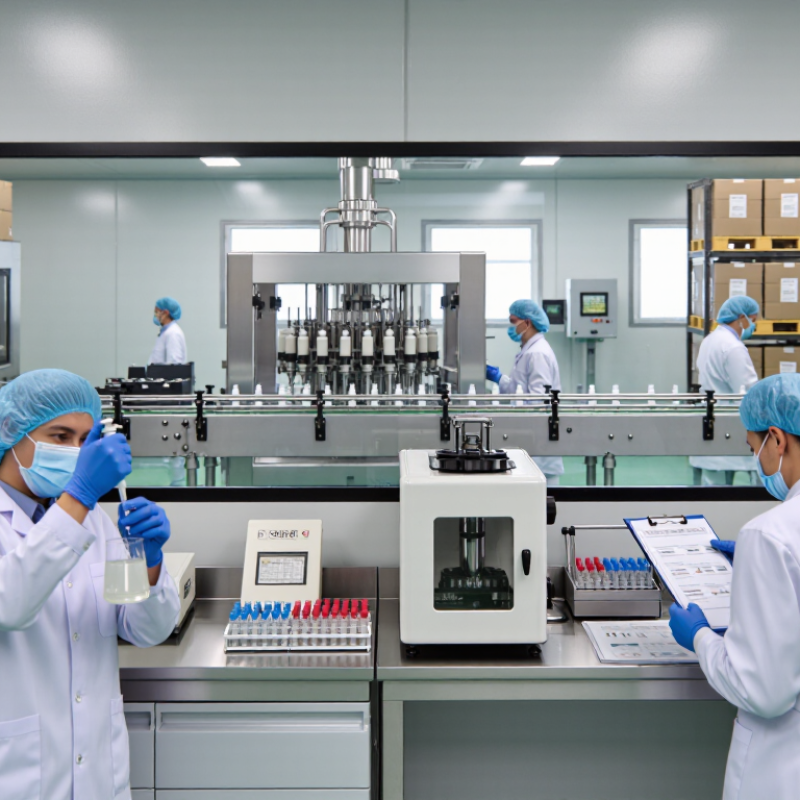
Turnkey cosmetic manufacturing in China covers the full product journey, from concept to finished goods. A capable supplier may support formula development, ingredient sourcing, stability testing, packaging, filling, labeling, and export documentation. This approach reduces coordination between separate contractors. It also gives product owners one main contact for production decisions.
In practice, the process requires more than choosing a low quotation. Experienced suppliers should explain minimum order quantities, lead times, batch records, and quality controls clearly. They should provide samples before mass production and identify who performs safety and stability checks. Factory audits can reveal useful details, such as cleanroom routines, material storage, and how rejected units are handled. However, turnkey service is not always faster or cheaper. Some projects become slower when approvals are unclear. That risk is easy to underestimate.
Tips: Request a written production flow before signing. Confirm formula ownership, testing responsibilities, packaging tolerances, and required market documents. Ask for realistic timelines, not optimistic promises. Keep approval samples and production records for comparison. A small pilot order can expose filling problems, color variation, or weak packaging before larger investment. Mistakes still happen, even with careful suppliers. Good communication makes them easier to detect and correct.
Evaluating China’s turnkey cosmetic suppliers requires more than comparing factory photos or low quotations. A capable partner should explain every production stage, from formula development and ingredient sourcing to filling, labeling, and export documents. Ask for a clear responsibility matrix. Who approves raw materials? Who manages stability testing? Who owns the formula and technical files? Vague answers indicate possible operational weaknesses.
During supplier assessments, request current GMP evidence, manufacturing licenses, batch records, and independent laboratory results. Testing should cover microbiological quality, stability, packaging compatibility, and declared ingredient specifications. A reliable factory should provide batch traceability without repeated reminders. Review samples carefully. Check color, fragrance, viscosity, fill weight, and container sealing after normal storage. Small differences can create costly complaints.
A strong turnkey supplier also discusses its limits. Confirm minimum order quantities, lead-time risks, rejected batches, change control, and communication delays before signing. One common mistake is trusting polished samples too quickly. Good samples can hide weak documentation. That is easy to miss. An on-site or independent audit may reveal crowded warehouses, unclear quarantine areas, or inconsistent records. Audits are only snapshots. Add inspection points to the agreement, require approval samples, and verify compliance with the destination market’s cosmetic regulations. Document every exception, even minor ones.
Turnkey cosmetic manufacturers in China can manage much more than product filling. Their key services often cover formulation, ingredient sourcing, packaging, testing, production, and delivery. An experienced supplier should explain each stage clearly. This includes sample development, stability checks, microbiological testing, and batch documentation. Buyers should also confirm whether the factory follows recognized quality systems and maintains traceable records.
Formulation support is especially valuable for skincare, haircare, and color cosmetics. Technical teams can adjust texture, scent, appearance, and packaging compatibility. They should also help prepare accurate ingredient lists and product documents for the intended market. Packaging services may include bottle selection, label design support, component assembly, and carton packing.
The process looks smooth on paper. In practice, delays can happen when samples, artwork, or packaging dimensions change late. A dependable supplier reports these problems early.
Tips: Request a complete service list before signing. Ask for sample records, testing timelines, minimum order quantities, and quality inspection procedures. Check how rejected materials are handled. Keep communication in writing. Do not judge a supplier only by attractive samples. A beautiful prototype may still fail during scale-up. Small pilot batches can reveal filling issues, color changes, or weak packaging. Allow time for corrections. Reliability is often proven through honest updates, not confident promises.
Choosing a top turnkey cosmetic manufacturer in China requires more than attractive samples. Quality begins with controlled raw-material intake, batch records, validated cleaning, and traceable release testing. Ask for current ISO 22716 evidence, audit scope, calibration records, and deviation logs. Do not accept a certificate alone. Its scope may exclude your product line. A clean factory tour proves very little.
The European Commission’s Safety Gate 2023 report listed cosmetics as 32% of notified dangerous products, the largest category. That figure makes microbiological control and packaging compatibility practical priorities, not paperwork. Request preservative-effectiveness testing, microbial results, stability data, and container-closure checks. Review who approves out-of-specification results. Polished laboratory photos are not enough.
For China, verify NMPA registration or filing requirements, ingredient inventory rules, safety-assessment documents, and claim substantiation. Export markets add separate labeling and product-information duties. Use signed specifications, acceptance limits, change-control notices, and retained samples. The ISO Survey 2023 recorded more than one million ISO 9001 certificates worldwide, but certification cannot prove every batch is safe. Independent finished-product testing costs more. It can still expose weak assumptions early.
| Assessment Dimension | Standard or Regulatory Reference | What a Qualified Supplier Should Demonstrate | Documents and Verification Evidence | Priority | Suggested Weight |
|---|---|---|---|---|---|
| Legal Manufacturing Status | Applicable Chinese cosmetics regulations, including the Cosmetics Supervision and Administration Regulation and related implementation rules | A valid business license, an appropriate cosmetics manufacturing qualification, and production activities within the approved scope | Current business license, manufacturing qualification records, facility address verification, and confirmation that the licensed scope matches the proposed product category | Critical | 15% |
| Good Manufacturing Practice | ISO 22716:2007 Cosmetics — Good Manufacturing Practices — Guidelines on Good Manufacturing Practices | Controlled procedures for personnel hygiene, premises, equipment, production, storage, quality control, complaints, recalls, and documentation | ISO 22716 certificate where applicable, internal GMP procedures, training records, batch documentation, sanitation schedules, and recent audit reports | Critical | 15% |
| Quality Management System | ISO 9001:2015 Quality Management Systems | A documented system for specifications, change control, nonconformity handling, corrective actions, supplier approval, and continual improvement | Valid certification issued by an accredited certification body, quality manual, corrective-action records, management-review records, and audit history | Important | 8% |
| Product Classification | Chinese classification of ordinary cosmetics and special cosmetics | Correctly identifies whether each product requires filing or registration before market launch and whether its claims trigger special-cosmetic requirements | Product classification assessment, claim review, formula summary, intended-use statement, and regulatory submission plan | Critical | 10% |
| NMPA Filing or Registration Support | National Medical Products Administration requirements for cosmetics filing and registration | Provides accurate technical documents and supports the responsible party with filing or registration preparation, updates, and post-market obligations | Sample technical dossier index, product formula information, product executive standard, label artwork review, testing records, and submission responsibilities matrix | Critical | 12% |
| Safety Assessment | Chinese cosmetic safety assessment requirements and applicable safety-assessment technical guidance | Maintains ingredient safety data and supports a complete safety assessment based on formula, exposure, product type, use area, and target consumer | Ingredient specifications, impurity information, toxicological data, exposure calculations, safety assessment report, and qualified safety-assessor credentials where required | Critical | 12% |
| Ingredient Control | Applicable Chinese prohibited and restricted ingredient requirements, cosmetic ingredient catalogues, and supplier specifications | Uses legally permitted ingredients at appropriate concentrations and controls allergens, contaminants, impurities, and restricted substances | Current ingredient list, INCI names, certificates of analysis, safety data sheets, origin information, allergen declarations, and supplier qualification records | Critical | 8% |
| Microbiological and Chemical Testing | Applicable Chinese cosmetic testing standards and product-specific specifications | Tests finished products for relevant microbiological, physical, chemical, stability, and preservative-performance characteristics before release | Laboratory accreditation details, validated or verified methods, raw-material and finished-product test reports, stability data, and out-of-specification procedures | Critical | 10% |
| Packaging and Label Compliance | Chinese cosmetic labeling, packaging, and claim-substantiation requirements | Ensures Chinese-language labeling, ingredient declaration, net content, responsible-party information, batch identification, shelf life, usage instructions, and required warnings | Regulatory label checklist, approved artwork, packaging compatibility results, ink and material declarations, batch-code example, and claim-substantiation file | Critical | 7% |
| Traceability and Recall | Good manufacturing and post-market product-safety management principles | Can trace materials, packaging, operators, equipment, production dates, test results, and distribution records for every batch | Mock-recall results, batch records, warehouse logs, distribution records, complaint register, recall procedure, and documented root-cause analysis | Critical | 6% |
| Turnkey Development Capability | Product development, scale-up, and technology-transfer good practices | Provides formulation development, sampling, pilot production, packaging selection, compatibility testing, scale-up, and commercial-batch support | Stage-gate timeline, sample approval records, development specification, pilot-batch report, approved master formula, and technology-transfer checklist | Important | 5% |
| Factory and Laboratory Audit | Risk-based supplier qualification and quality-audit practice | Allows a documented audit of production areas, warehouses, laboratories, utilities, pest control, calibration, and quality systems before contract approval | Completed audit questionnaire, corrective-action plan, calibration certificates, environmental-monitoring records, maintenance logs, and audit-closure evidence | Critical | 7% |
| Environmental and Social Controls | Applicable environmental, occupational-safety, and labor requirements; ISO 14001 may be used as an additional management reference | Controls wastewater, hazardous materials, waste disposal, worker safety, emergency response, and responsible employment practices | Environmental permits or records, waste-transfer documents, safety training logs, emergency drills, risk assessments, and ISO 14001 certificate where available | Important | 5% |
Recommended decision rule: treat legal manufacturing status, GMP controls, product safety assessment, applicable filing or registration, ingredient compliance, and batch testing as non-negotiable requirements. Certification scope and regulatory obligations should be verified for the specific facility, product type, formula, market, and intended claims.
Choosing a top turnkey cosmetic manufacturing supplier in China requires more than comparing prices. Your supplier should handle formulation, packaging, testing, production, and shipping with clear responsibility. Ask for GMP compliance, ISO 22716 procedures, batch records, and recent audit evidence. Documents matter.
Request laboratory samples made with the proposed formula, not a substitute base. Check texture, scent, color, filling weight, and package compatibility. A cream may look excellent on day one, then separate after heat testing. Ask for stability data, microbiological results, ingredient specifications, and certificates of analysis for each batch. Verify whether your formula remains your property.
Communication reveals practical reliability. Can the project manager explain minimum order quantities, lead times, production controls, and rejected-batch procedures? Ask for a pilot run before committing to large volumes. Inspect the factory, if possible, and watch how materials are labeled and stored. Small details often expose weak systems.
Do not rely on polished presentations. A supplier may answer quickly but avoid difficult questions. That is a warning. Review claims carefully, because “natural,” “hypoallergenic,” and “anti-aging” require suitable evidence and market-specific compliance. Language gaps can also create expensive mistakes in artwork or ingredient lists. Use approved specifications, signed samples, and written change-control rules. Some decisions will still feel uncertain. Leave room to reassess after the first production batch.
A capable supplier can support formulation, ingredient sourcing, packaging, testing, filling, labeling, and delivery. Ask for a written responsibility matrix. It should identify who approves materials, manages testing, and controls technical files. Vague answers may reveal weak operations.
Request current manufacturing licenses, GMP evidence, batch records, and independent laboratory results. Ask for ingredient specifications and certificates of analysis. The records should support full batch traceability. Missing documents are not a small issue.
Check texture, color, fragrance, viscosity, fill weight, and container sealing. Store samples under normal conditions and inspect them again. A cream can separate after heat exposure. Good samples can still hide production problems.
Stability testing shows how a product changes over time and under stress. Packaging compatibility checks whether the formula reacts with its container. Testing should also cover microbiological quality. One test is not enough.
Confirm minimum order quantities, lead times, rejected-batch procedures, and change-control rules. Ask how delays will be reported. Require written approval for formula, packaging, and artwork changes. Leave room for corrections.
No audit proves everything. An audit may reveal crowded storage areas, unclear quarantine zones, or inconsistent records. However, an audit is only a snapshot. Add inspection points and approval samples to the agreement.
Keep specifications, artwork, samples, and changes in writing. Use signed approval samples and clear technical terms. Language gaps can cause incorrect ingredient lists or packaging details. Fast replies are not always reliable replies.
A small pilot batch is usually safer than an immediate large order. It can reveal filling errors, color changes, weak seals, or scale-up problems. Review the pilot results carefully. Some uncertainty will remain. Reassess after the first batch.
Turnkey Cosmetic Manufacturing in China provides an integrated solution for brands seeking to develop and produce cosmetic products efficiently. Instead of coordinating multiple vendors, businesses can work with one supplier for product concept development, formula creation, packaging design, sourcing, filling, labeling, and logistics support. This approach can reduce communication costs, simplify project management, and help bring products to market faster.
When evaluating China’s turnkey cosmetic suppliers, brands should review their experience, production capabilities, research and development resources, communication standards, and quality control systems. Important checks include factory certifications, ingredient traceability, stability and safety testing, manufacturing hygiene, packaging compliance, and documentation required for target markets. The right supplier should offer transparent pricing, realistic timelines, flexible minimum order quantities, reliable sampling, and consistent quality. A careful comparison of services, regulatory readiness, and long-term cooperation potential will help brands select a dependable manufacturing partner.